Hiragana alphabet – 7 quick steps for solo learners
Learn the 46 basic hiragana characters and how to practise them in 10–15 minute daily lessons. Includes a table of study options, a 7-step plan and practical traps to avoid.

Hiragana alphabet is the set of 46 basic phonetic characters used to write native Japanese words and grammatical endings; you should learn those 46 plus the 25 dakuten/handakuten variants and the small kana (ゃゅょっ) early. LinguaPair starts A0 lessons from the script: you trace each kana, hear its audio, and meet it in words in lessons about 10–15 minutes long, and A0–A1 materials are free on the app. Below you get a short checklist, a comparison table, seven concrete steps to learn hiragana, useful figure prompts for practice moments, and practical caveats.
In short – key takeaways
Learn the 46 core kana first and their 3 small kana – this covers most native word forms you will meet in travel phrases and basic grammar.
Use spaced repetition for 10 new kana or readings a day and review with intervals of 1 minute, 10 minutes, 1 day, then longer. LinguaPair stores lesson words into its spaced repetition trainer automatically. Open the first free A0 lesson in LinguaPair to start tracing and hearing each kana.
Pair tracing, audio and context: trace the strokes, listen at 0.75x then 1.25x, and read short sentences; do this in 10–15 minute sessions.
One limitation of apps: character handwriting fluency needs paper practice; add a handwriting workbook or printable sheets for stroke order. An alternative is a beginner textbook or focused handwriting class.
Option | Who it suits | Key number | Main drawback |
|---|---|---|---|
Open the first free A0 lesson in LinguaPair – trace and hear each kana | Solo learners who want guided, audio-backed stroke tracing | 46 basic kana plus 25 voiced variants; A0 lessons free | Limited handwriting feedback on paper; app tracing is on-screen only |
Paper workbook and stroke sheets | Learners aiming for handwriting accuracy for exams or notes | Practice 10–20 minutes daily with stroke drills | No built-in audio or spaced repetition |
YouTube kana playlists and native videos | Learners who learn from films and series and want rhythm and pronunciation | 7–10 short videos to cover all kana | Variable quality; no structured review schedule |
How many characters exactly must you memorise first?
Start with 46 basic hiragana characters, then learn 25 marked variants with dakuten/handakuten such as が, ぱ and the three small kana ぁぃぅ plus small ゃゅょ and the small っ for gemination. Count the small kana and variants separately when scheduling reviews. A practical rule: schedule the 46 core in the first two weeks at 10 new kana per day, then add the voiced/handakuten variants in the next week. Use the CEFR-like progression in LinguaPair A0 units that start from the script to place your first lessons accurately.
What daily routine actually moves you from recognition to reading?
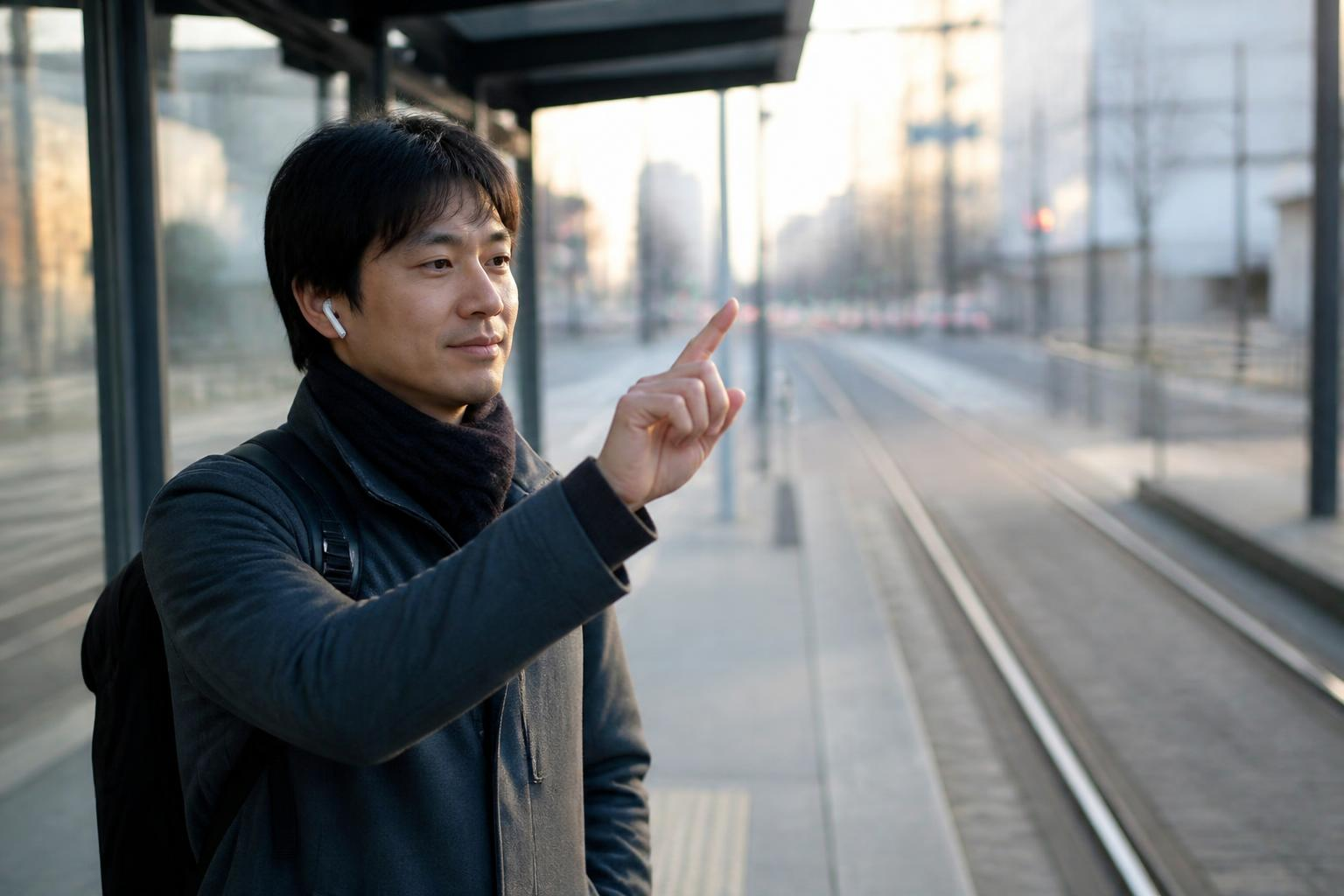
Do two short sessions per day: a morning 10–15 minute lesson that traces and listens, and an evening 10–15 minute review of the day’s kana with spaced repetition. The app’s spaced repetition schedule returns new items at 1 minute, 10 minutes and 1 day, then longer intervals. Concretely: Day 1 learn 10 kana; do the SM-2 style review schedule in LinguaPair’s trainer; Day 2 add 10 more; by Day 5 you have 46 core kana in active review. Add a 5-minute reading of a simple sentence (A0 reading text) to see kana in context; LinguaPair provides one free reading text a week, Premium gives one per day.
Which mistakes make learning slow and how to avoid them?
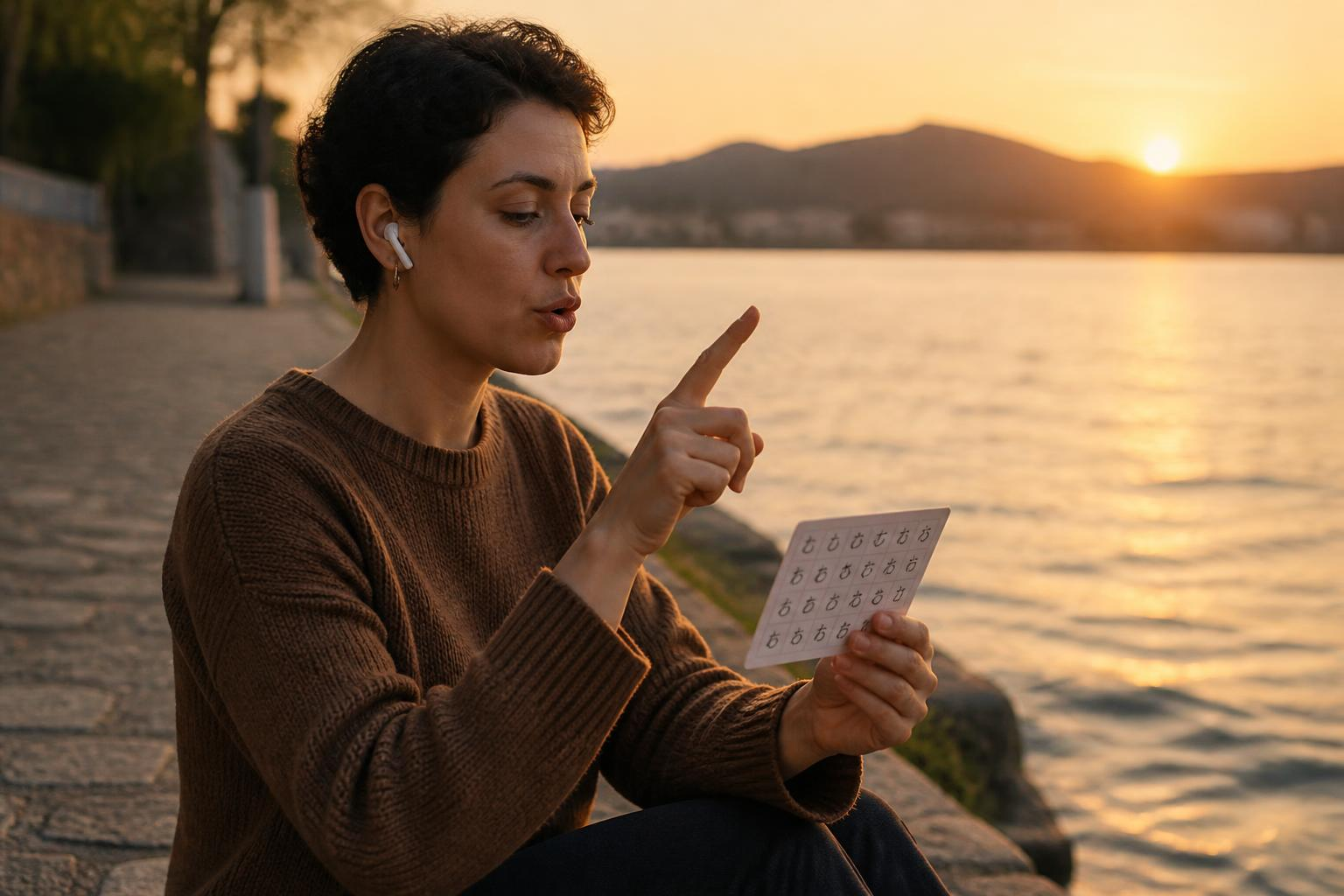
Mistake 1 – treating hiragana like vocabulary only; fix by practicing stroke order and sound together. Mistake 2 – skipping small kana and っ; they change pronunciation and meaning. Mistake 3 – relying only on passive exposure; add active production – write and say each kana. Practical correction: after each new kana, write it five times on paper, say it aloud three times at 0.75x and 1.25x, then do two recognition exercises on the app or flashcards.
How does LinguaPair help when starting from the alphabet?
LinguaPair’s A0 course starts with stroke tracing, audio and immediate exposure in words; an unfinished lesson stays available for seven days and its new words go to the vocabulary trainer automatically. The app offers listening speeds 0.75x, 1x and 1.25x and voice-over that highlights each word as it’s spoken in reading lessons. One honest limitation: the app’s tracing cannot replace guided paper handwriting correction. If you choose Premium (USD 9.99 monthly or USD 59.99 yearly, source: https://linguap.com/en/pricing), you get unlimited vocabulary, daily reading texts and film subtitle tools; if you only need the script and basic reading, A0–A1 free content is sufficient.
How to use films and series without losing focus on the kana?
Use learning from films and series to reinforce reading and listening, not to introduce kana. Take one episode and let LinguaPair turn its subtitles into 10–15 graded words over seven days; this drill highlights kana in natural context while you already know their shapes. Free users see the first five words a day from the catalog; Premium users can upload subtitles and use the watch-along mode.
What quick checks tell you you’re ready to move from kana to simple sentences?
You are ready when you can: read 30 simple hiragana-only words aloud at normal speed, write 20 kana from memory with correct basic stroke order, and recognize small kana and っ in short sentences. A practical checkpoint: pass two A0 reading lessons in LinguaPair and do the placement test (free) to jump to A1 when you consistently score 80% on comprehension questions.
FAQ
Q: How long does it take to learn hiragana? A: Most solo learners can learn recognition of the 46 basic kana in 1–2 weeks with 10–15 minute daily sessions and spaced repetition. Produce the sounds and write each kana; tracing in LinguaPair plus five minutes of handwriting speeds recall.
Q: Do I need to learn katakana at the same time? A: No, learn hiragana first because it represents native words and grammar; schedule katakana after you comfortably read hiragana words and short sentences. LinguaPair teaches katakana in A1 after hiragana.
Q: Will tracing on my phone teach me handwriting? A: Tracing on your phone gives stroke order and shape recall but will not fully transfer to neat handwriting. Add paper practice: write each kana five times and compare to stroke-order guides.
Q: What is the fastest way to avoid mixing similar kana? A: Use contrast drills: group look-alikes (e.g., ぬ vs め) and practice discriminating them with timed flashcards and spelling dictation. Use LinguaPair’s listen-and-type exercises at slow speed to check errors.
Decision rule: If you want guided audio-backed tracing and spaced repetition from the alphabet, start LinguaPair and open the first free A0 lesson to trace and hear each kana; if you need exam-ready handwriting, add a paper workbook.
Sources
https://linguap.com/en/alphabet/hiragana
https://linguap.com/en/pricing
https://en.wikipedia.org/wiki/Hiragana