Is italki Worth It? Who Gets Real Value From It and Who Doesn't
A practical fit test for italki by learner type: complete beginners, exam candidates, conversation learners and heritage speakers. Honest cons including tutor variability, prepaid credits and the strict 24-hour cancellation rule.

Some links in this article lead to partner services. If you make a purchase there, the site may receive a commission; this does not affect the price or our assessment.
The honest answer to "is italki worth it" is: for some learners, clearly yes; for others, it is a way to spend money and stay at the same level. italki is a marketplace, not a course. Whether it pays off depends on what you bring to it. Here is how we would run the fit test before putting a single credit into the account.
How italki works in one paragraph
You create a free account, filter tutors by language, price and availability, and book a trial lesson at a discount. Lessons run over video, one to one, and you pay per lesson with prepaid italki Credits pegged to the US dollar. There is no subscription. Tutors come in two tiers: professional teachers with formal teaching qualifications, and community tutors, who are native or fluent speakers offering conversation practice at lower rates. Around the paid lessons sits a free community layer: exchange partners, Q&A, and writing corrections.
That is the whole product. Everything below is about whether that shape fits you.
The fit test by learner type
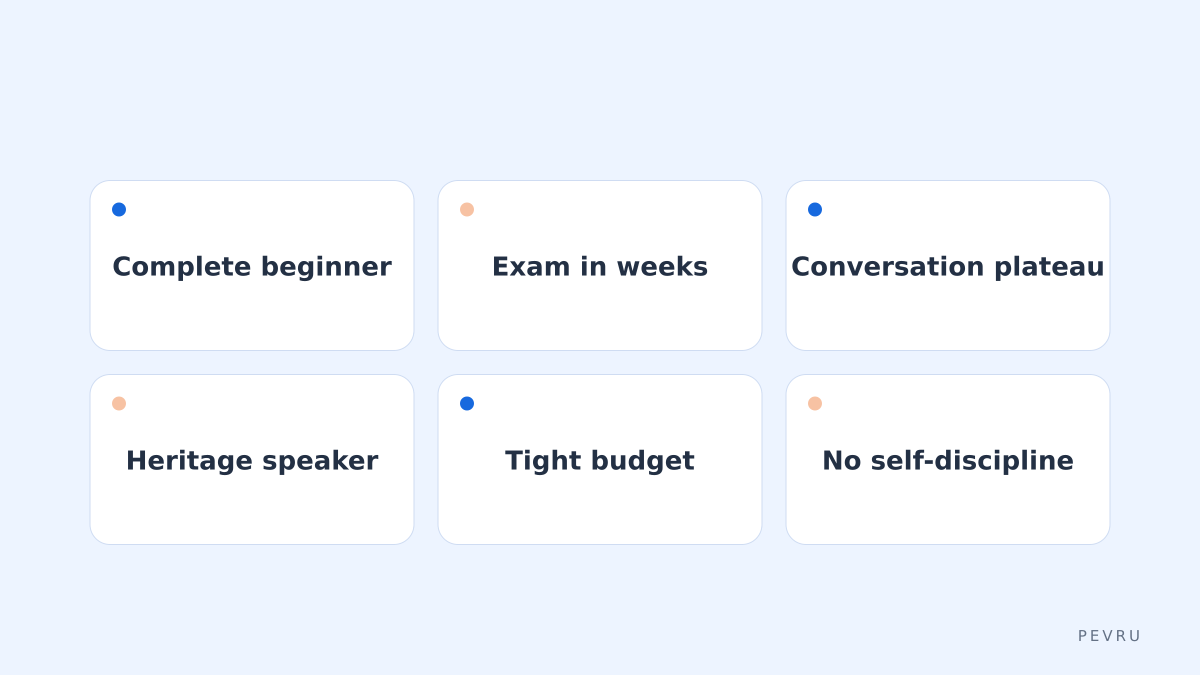
Complete beginner, no prior study
Worth it with a caveat. A professional teacher can build your foundation faster than any app, but you will pay professional rates for material you could partly learn alone. Our approach: spend two or three weeks with a free or cheap course to learn the alphabet, sounds and first hundred words, then book a professional teacher on italki for structured lessons. Skip community tutors at this stage; conversation practice with no vocabulary is frustrating for both sides.
Exam candidate with a date
Strongly worth it. This is where pay-per-lesson shines. You can book three lessons a week for six weeks, target the speaking and writing sections, then stop the day after the exam without cancelling anything. Filter for professional teachers who list the specific exam. Ask in the trial how many students they have taken through it.
Intermediate learner who has plateaued
Worth it, and probably the best value on the platform. If you can read and understand but freeze when speaking, community tutors give you cheap, regular conversation. Two short sessions a week with the same tutor for three months does more for fluency than any grammar book at this stage. The price difference between community and professional tiers is largest here, so the marketplace works in your favour.
Heritage speaker keeping a language alive
Worth it. You need conversation, correction of fossilised errors and maybe reading practice, not a textbook. A community tutor from the region your family is from is often the ideal match, and italki's breadth of languages and dialects is unusually wide for this purpose.
Learner on a tight budget
Conditionally worth it. italki's own pricing guide describes lessons that start from a few dollars with community tutors, and trial lessons come at a discount. You can genuinely learn on a small budget, but only if you also do the unpaid work between lessons. Paying for a weekly chat and doing nothing else is the most common way to waste money here.
Learner who needs someone else to keep them accountable
Probably not worth it, at least not alone. Nothing on italki charges you for lessons you did not book, which is exactly the problem for this learner. If you know you will let weeks slip, a subscription platform such as Preply, where a weekly slot repeats and unused lessons expire, may provide the pressure you need. italki works for you if you can build your own routine.
What italki does well
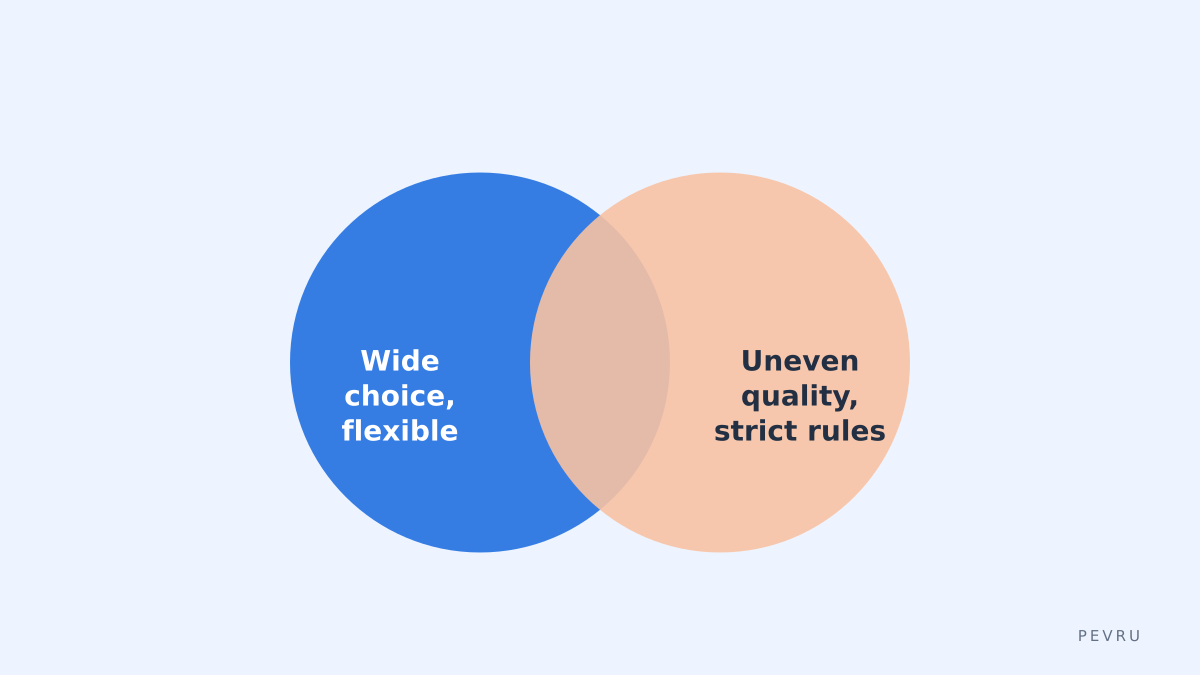
Choice. Thousands of tutors in a very wide range of languages, including ones most platforms ignore.
Flexibility. Book one lesson or twenty. Change tutors any time. No monthly fee.
Two price tiers. Cheap conversation practice and structured teaching live on the same platform, so you can combine them.
Trial lessons. Most tutors offer a discounted trial, and italki's blog recommends taking two or three before committing; the platform lets you book up to three trials.
No student booking fee. italki states that students pay the price shown on the tutor's profile with no hidden fee added.
The honest cons
Tutor quality varies a lot. italki is a marketplace with a low barrier to entry for community tutors. italki's own review roundup quotes the recurring learner sentiment that some teachers are excellent and some are not. Trials are not optional; they are how you filter.
Prepaid credits. You buy credits before you book, and italki notes unused credits may expire after a year. Buy modestly.
Strict 24-hour rule. According to italki's help centre, a lesson can only be cancelled or rescheduled more than 24 hours before its start; inside that window it cannot be changed, and the tutor is entitled to payment if you do not show. If your schedule shifts at short notice, this will cost you.
No curriculum. Unless your tutor brings one, there is no course, no syllabus and no progress test. Structure is your job or your tutor's.
Self-study is not included. Lessons are the smallest part of learning time. italki's community tools help, but the platform does not carry you between sessions.
How we would start, step by step
Decide the goal in one sentence: pass an exam, hold a conversation, stop making the same errors.
Set a weekly budget and buy only enough credits for the first two weeks.
Book two or three discounted trials with tutors of different styles; treat the trials as interviews, and say what you want in the first five minutes.
Pick one tutor and book the same time slot for four weeks so it becomes a habit.
Do something between lessons every day, even ten minutes. Bring questions to the next session.
After four weeks, judge progress against the goal, not against how pleasant the lessons felt.
If that plan sounds workable, book a trial lesson on italki and run the first two weeks as an experiment with a small amount of credit.
Alternatives, briefly
Preply is the closest competitor, with a subscription rather than pay-per-lesson; it suits learners who want a fixed weekly rhythm. Cambly focuses on English conversation with a subscription. Language exchange apps such as Tandem are free but unstructured and depend on finding a reliable partner. Local language schools with online private lessons can be cheaper per hour in some countries and usually include a curriculum.
The verdict
italki is worth it for learners who know what they want, can keep their own routine and are willing to run a few trials to find the right tutor. It is exceptional value for intermediate speakers who need conversation practice, and a good tool for exam preparation on a deadline. It is a poor fit for people who need external accountability, and a frustrating one for anyone whose calendar changes inside 24 hours. Prices, payment methods and availability vary by country, so check the current terms on the platform's own site before you buy credits. If you fall in the first group, start with a trial lesson on italki, keep the first purchase small, and let the results after a month decide the rest.